Typical rainscreen cladding build-up
- external structural wall or sheathing board
- breather membrane
- vertical battens forming ventilation cavity
- counter battens where required
- timber cladding boards
Why ventilation is critical
Timber cladding must be able to dry after rainfall. The ventilated cavity behind the boards allows air to circulate, which removes trapped moisture and helps prevent timber decay and mould growth. Without proper ventilation, moisture can remain trapped behind the cladding and shorten the lifespan of the façade.
This is one reason why modern timber cladding can perform so well when designed properly. The timber is not expected to do everything on its own. The rainscreen system manages moisture through drainage and airflow.
For more technical guidance see exterior timber cladding for residential buildings.
Secret fixing systems for modern timber cladding
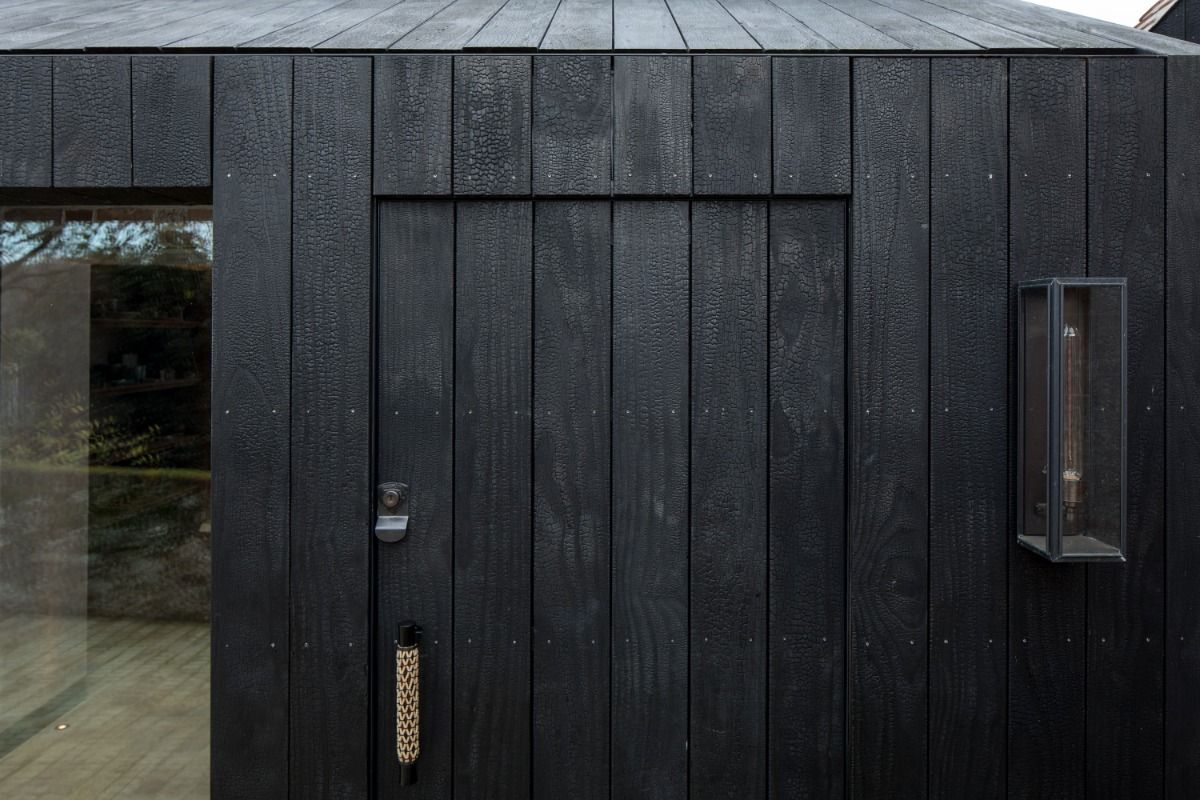
Modern architectural timber cladding often uses hidden fixing systems to maintain clean façade surfaces. Visible screw heads can disrupt the appearance of contemporary buildings, especially when dark finishes or shadow gap profiles are used.
Common hidden fixing systems
- stainless steel clip systems
- grooved board fixing systems
- angled screw fixing hidden within board joints
Hidden fixings can also help boards expand and contract naturally without creating an overly busy visual pattern across the façade. However, secret fixing does not remove the need for correct ventilation, board spacing and subframe design. The system still needs to allow natural movement and drying.
For highly architectural timber clad house design, fixing strategy should be considered early rather than added later as a cosmetic decision.
Common timber cladding installation mistakes
- insufficient ventilation behind boards
- incorrect screw spacing or wrong fixing positions
- lack of drainage at the base of the wall
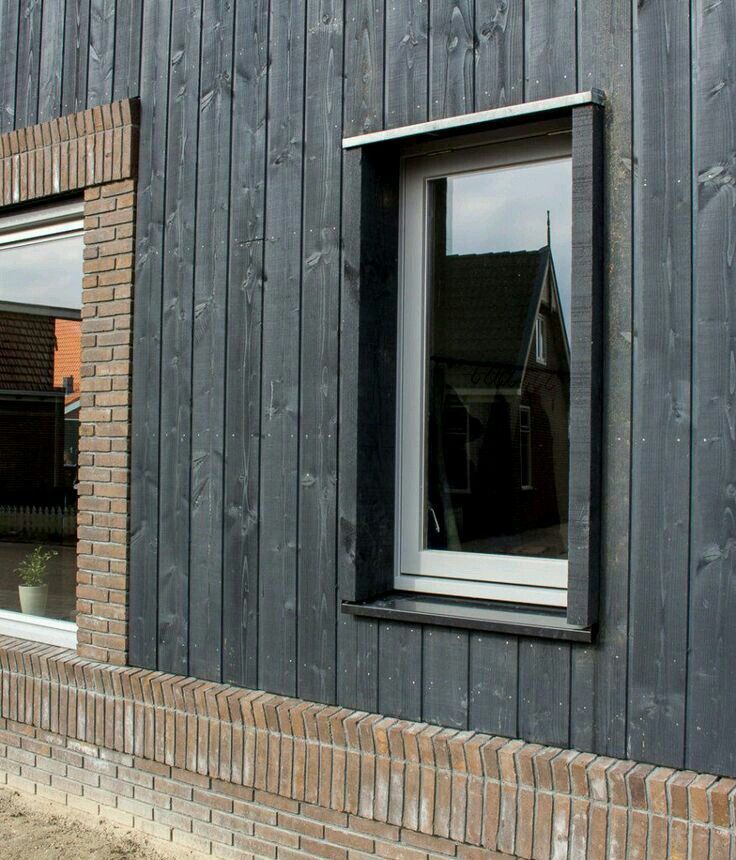
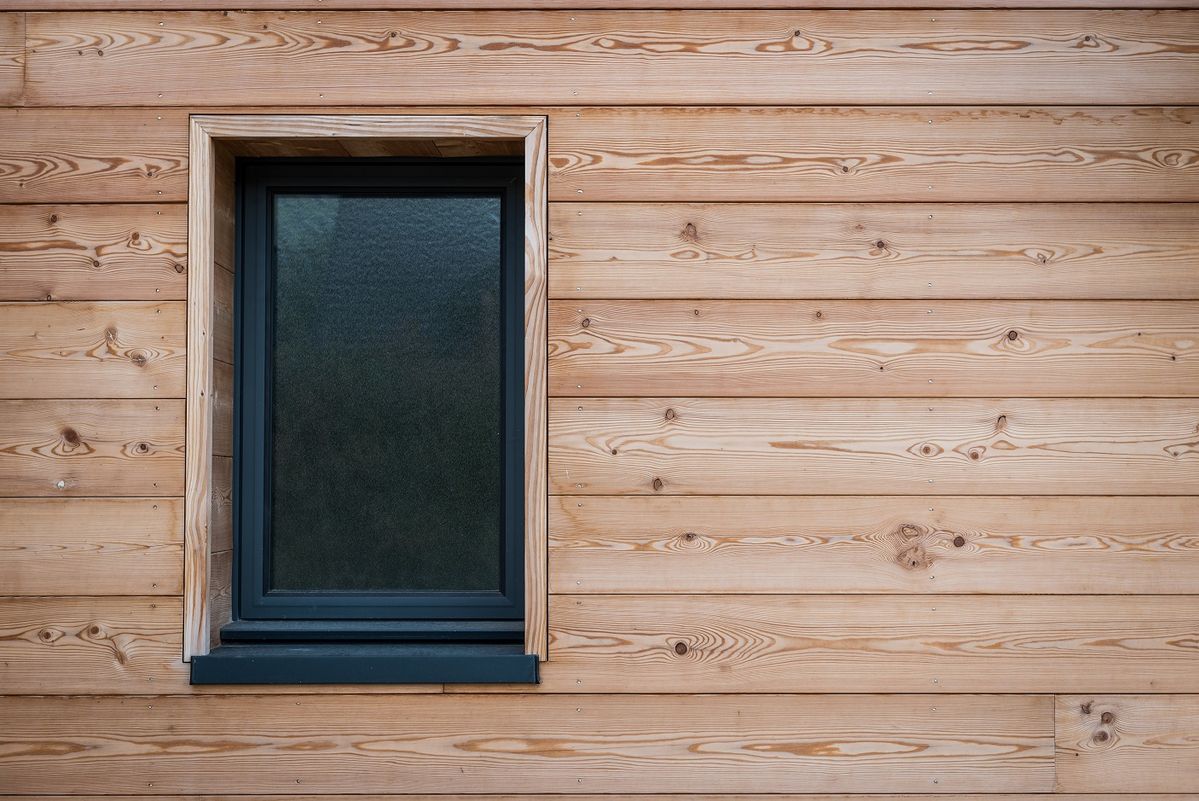
- poor detailing around window openings
- using unstable boards where tight shadow gaps are required
Modern timber cladding systems must always allow moisture to escape through a ventilated cavity behind the boards. Many failures blamed on timber are actually drainage or detailing problems rather than issues with the material itself.
Another common mistake is trying to create precise architectural lines using a timber and board profile combination that is too movement-sensitive for the design. Modern façades look best when the material choice matches the visual tolerance the architect expects.
Modern timber cladding house design inspiration
Minimalist box houses
Simple cube-shaped buildings clad in timber create clean architectural forms that highlight proportion rather than decoration. This style often uses shadow gap boards, hidden fixings and deep window reveals.
Scandinavian style homes
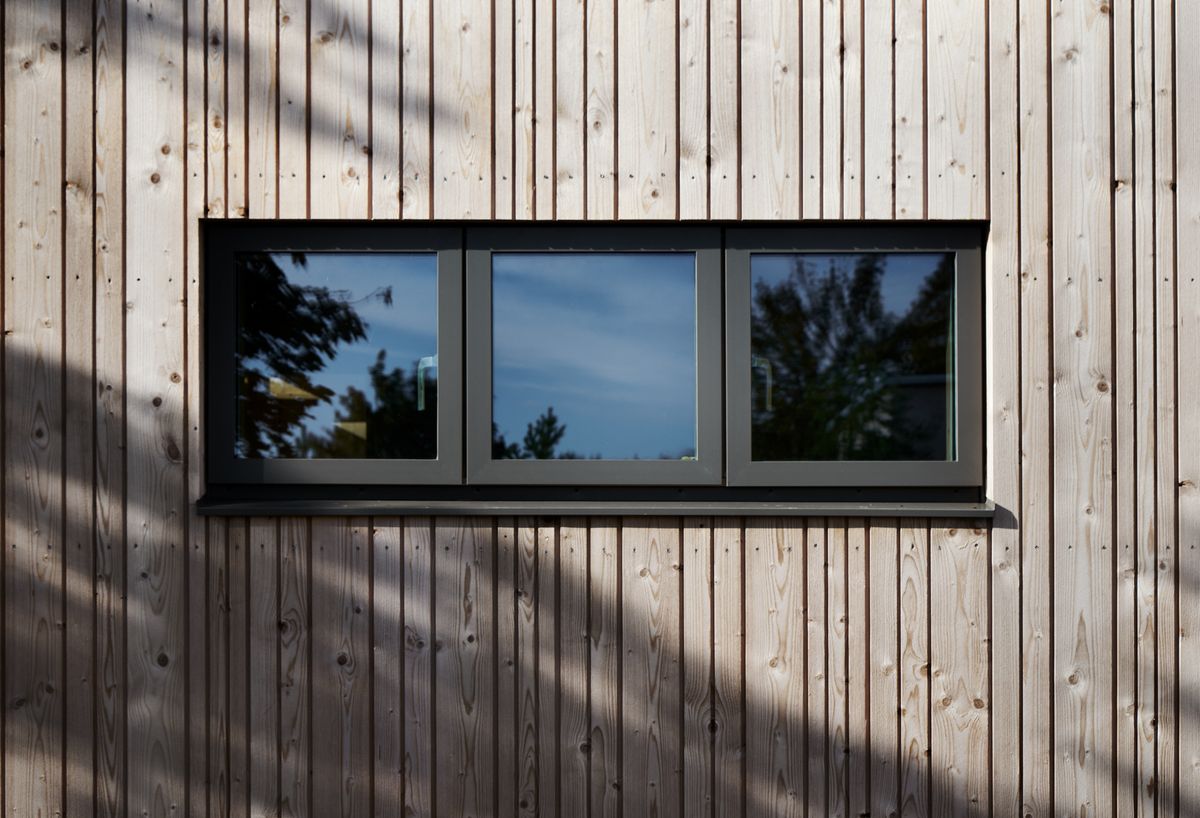
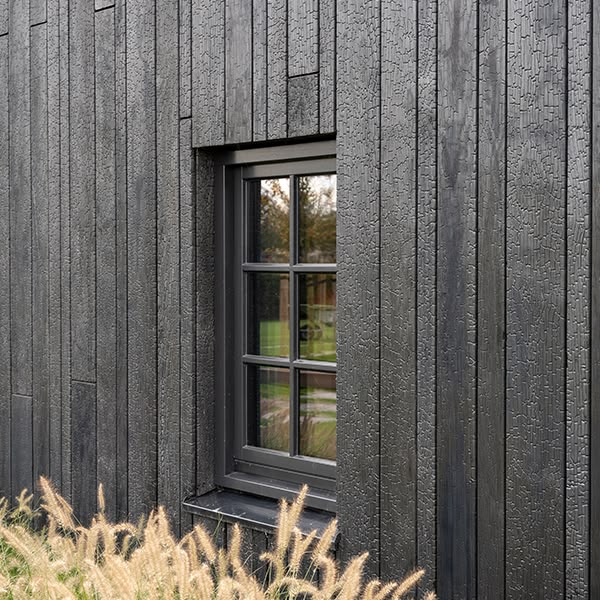
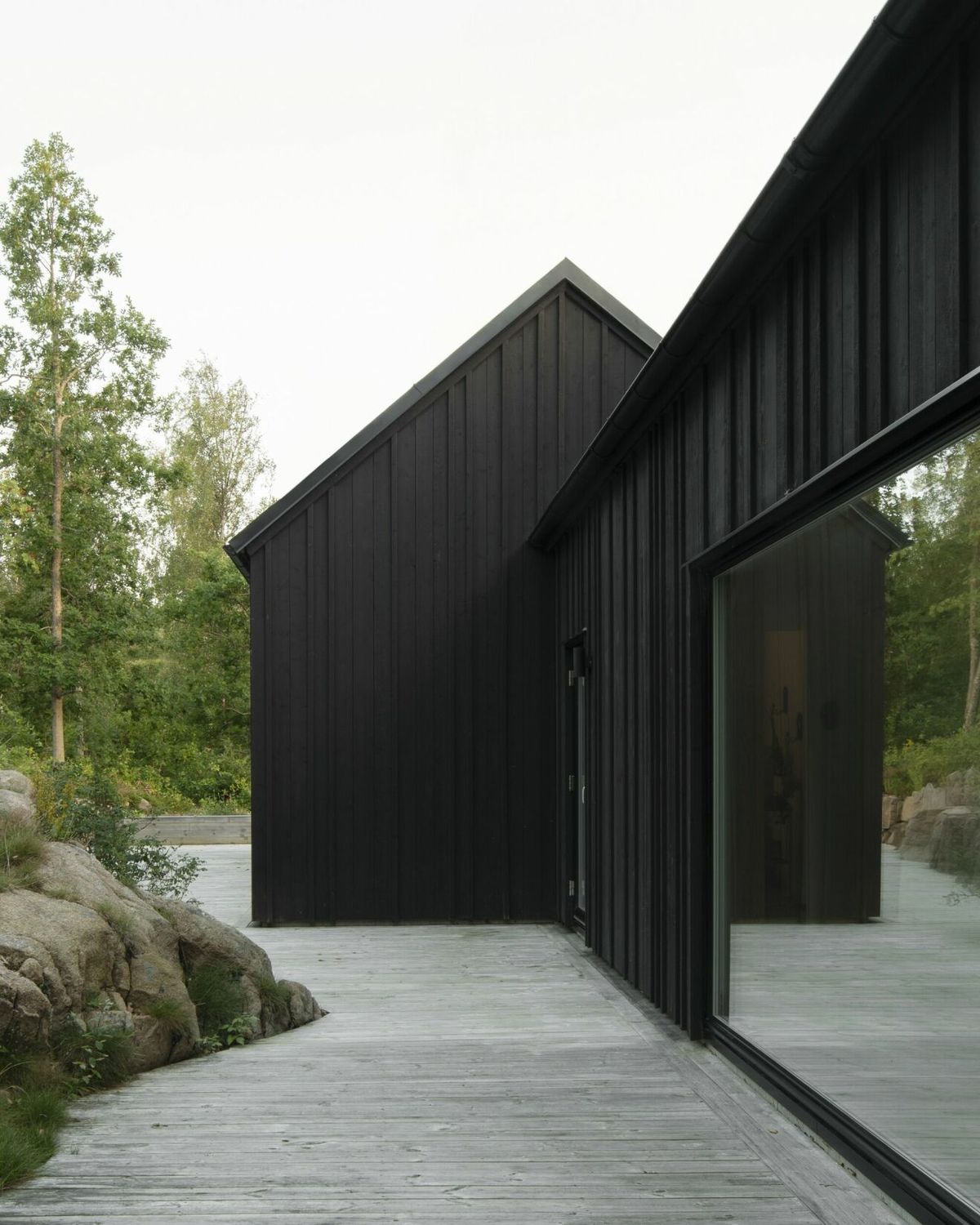
Scandinavian architecture frequently uses vertical timber cladding with simple window openings, restrained detailing and calm colour palettes. The result is a façade that feels natural and contemporary without trying too hard.
Black timber garden studios
Black timber cladding allows garden buildings to visually blend with landscaping while maintaining a modern appearance. This is one reason dark timber is used so often on home offices, studios and outbuildings.
Mixed material façades
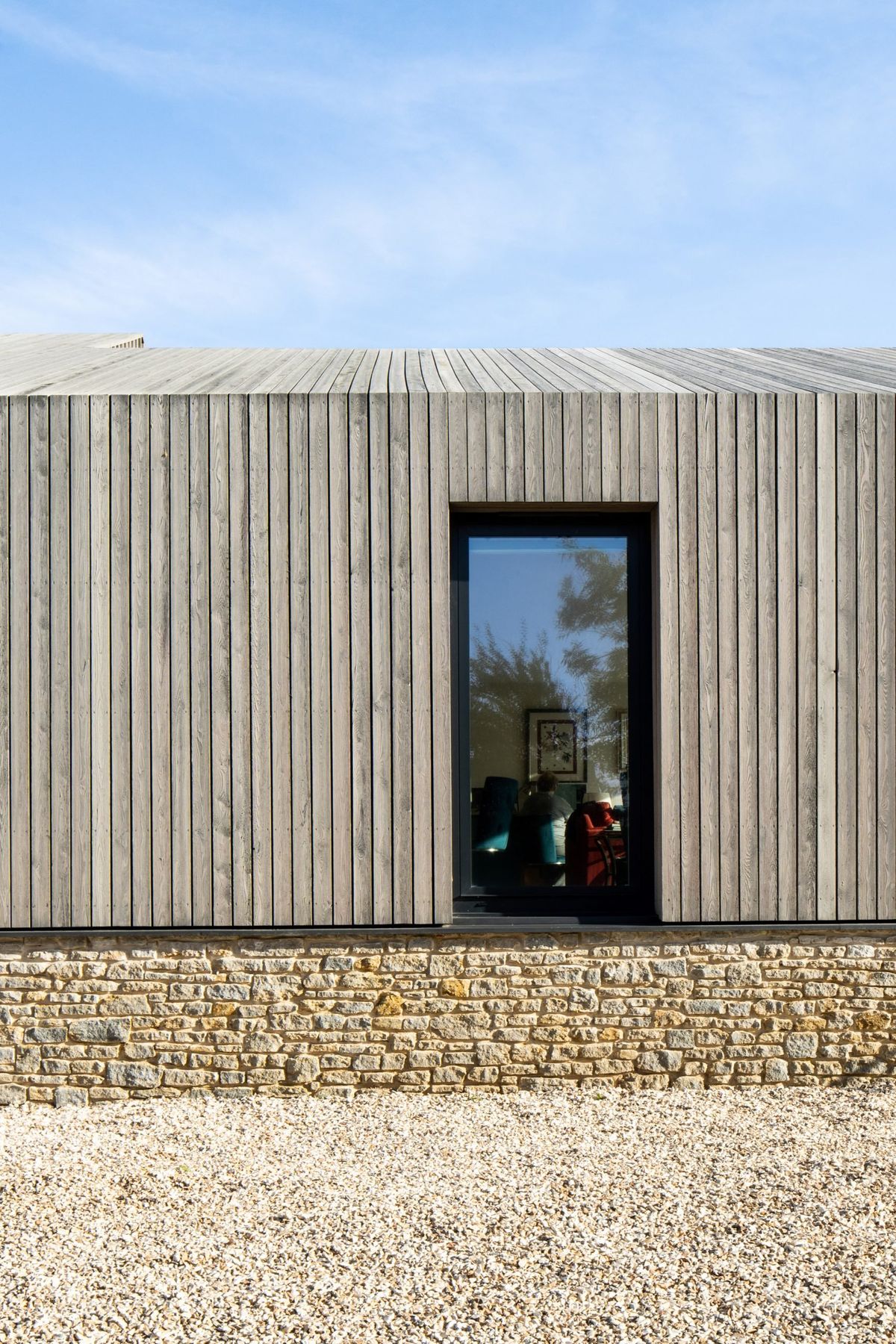
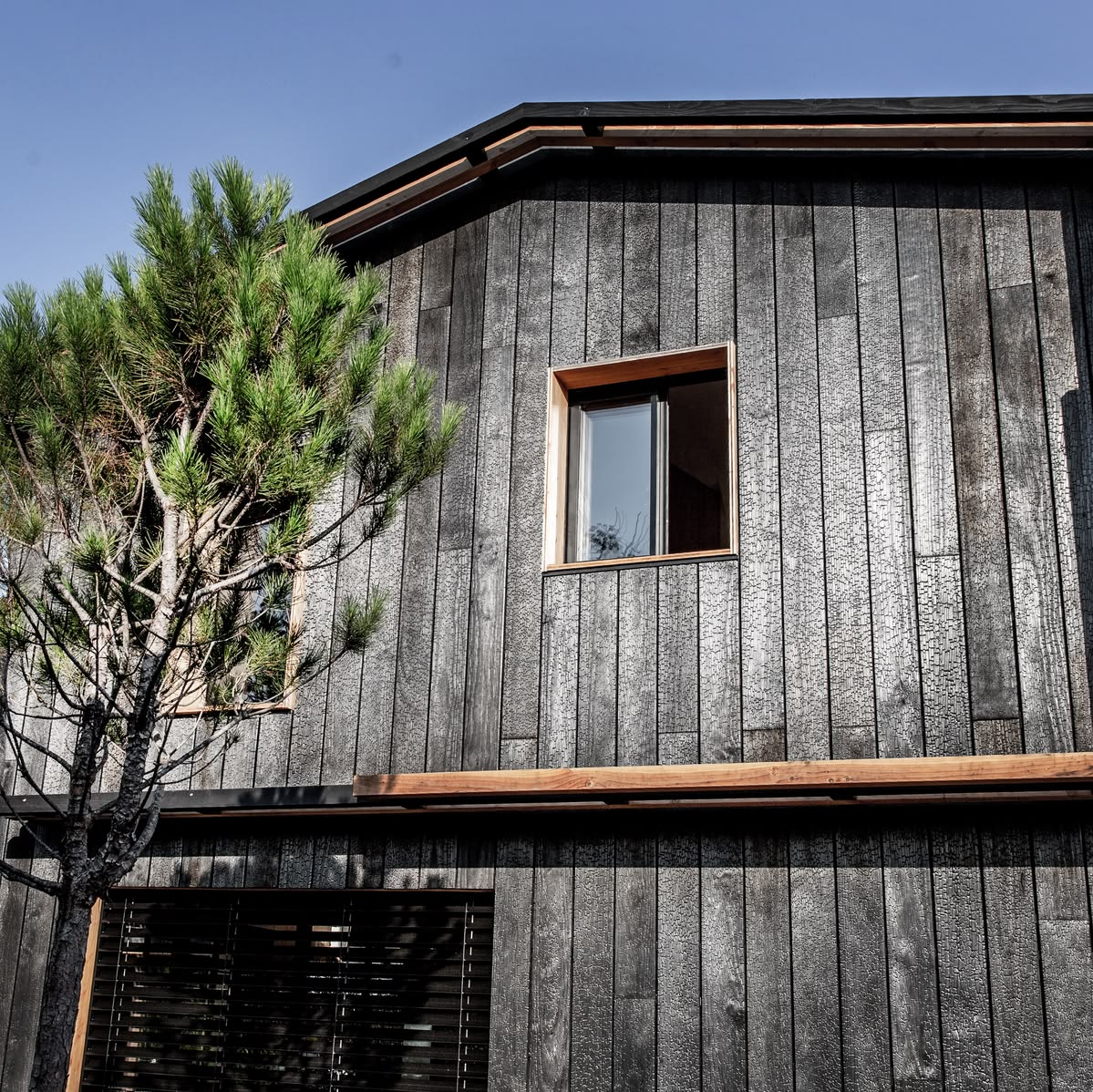
Many contemporary houses combine timber with zinc, render, glass or masonry. This can help define different building volumes and create a hierarchy of materials across the façade.