
Answer in brief: Timber cladding is one of the most effective façade materials for modern UK extensions, offering warmth, contrast and architectural clarity. The most successful contemporary extensions use clean horizontal or vertical profiles, controlled shadow gaps, restrained colour palettes (natural ThermoWood tones, charred finishes or muted stains), and properly detailed ventilated rainscreen systems that comply with UK building regulations.
This guide explains how to choose the right timber cladding for a modern extension, covering profiles, colour strategies, junction detailing, planning considerations and long-term performance.

1. Why Timber Cladding Works So Well on Modern Extensions
Modern extensions are usually defined by contrast. Brick houses gain lighter, sharper, more contemporary additions. Timber cladding provides:
- Visual warmth against masonry
- Clean linear geometry
- Lightweight appearance
- Strong shadow articulation
- Reduced embodied carbon compared to many alternatives
Unlike render or composite systems, timber evolves over time. That natural ageing can either be controlled (oiled or stained) or allowed to silver gracefully.
For broader residential context, see: exterior timber cladding for residential buildings
2. Profiles Most Used in Contemporary Extensions
The profile determines 70% of the finished appearance.
2.1 Horizontal Linear Profiles
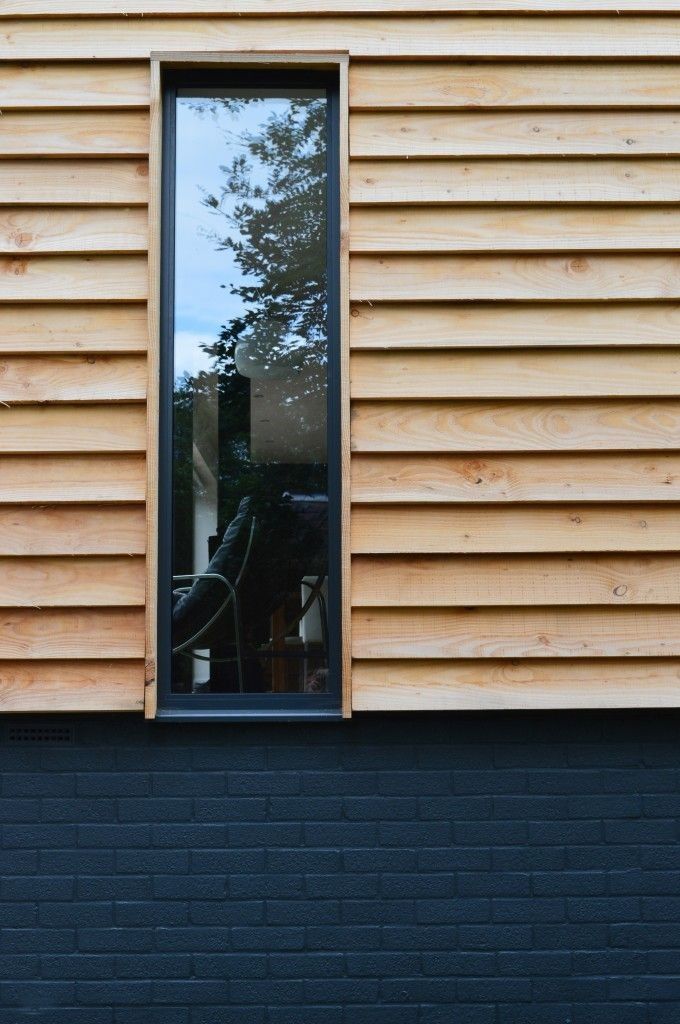
Horizontal boards visually widen an extension and create long, uninterrupted lines.
Most common choices:
- Shadow gap cladding
- Shiplap profiles
- Flush square-edge boards
Explore available options: exterior cladding panels
2.2 Vertical Board Installation
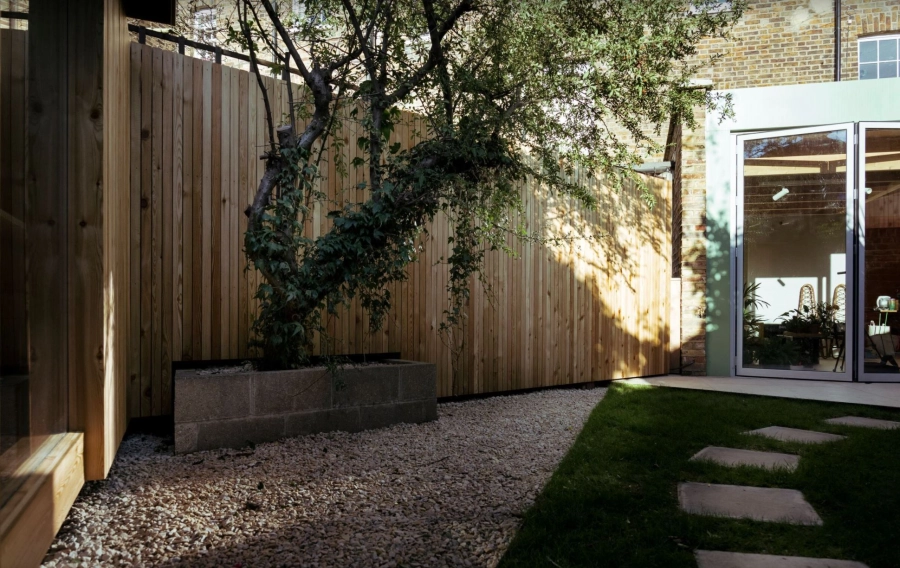
Vertical cladding gives a sharper, more architectural feel. It works particularly well on:
- Garden room extensions
- Rear kitchen extensions
- Double-height glazed additions
Vertical orientation also enhances drainage performance in exposed locations.
2.3 Batten & Board (Contemporary Slatted Look)
For more architectural impact, narrow battens fixed over backing boards create depth and rhythm.
This approach is common in high-end modern homes.
3. Timber Species & Finish Selection for Modern Extensions
3.1 ThermoWood for Contemporary Warmth
ThermoWood cladding is one of the most popular choices for modern UK extensions.
Why architects specify it:
- Improved dimensional stability
- Reduced moisture movement
- Rich, warm tone without chemical treatment
- Suitable for horizontal or vertical installation
Thermally modified timber performs particularly well on rear and side-return extensions where ventilation can be limited.
3.2 Charred Timber (Architectural Contrast)
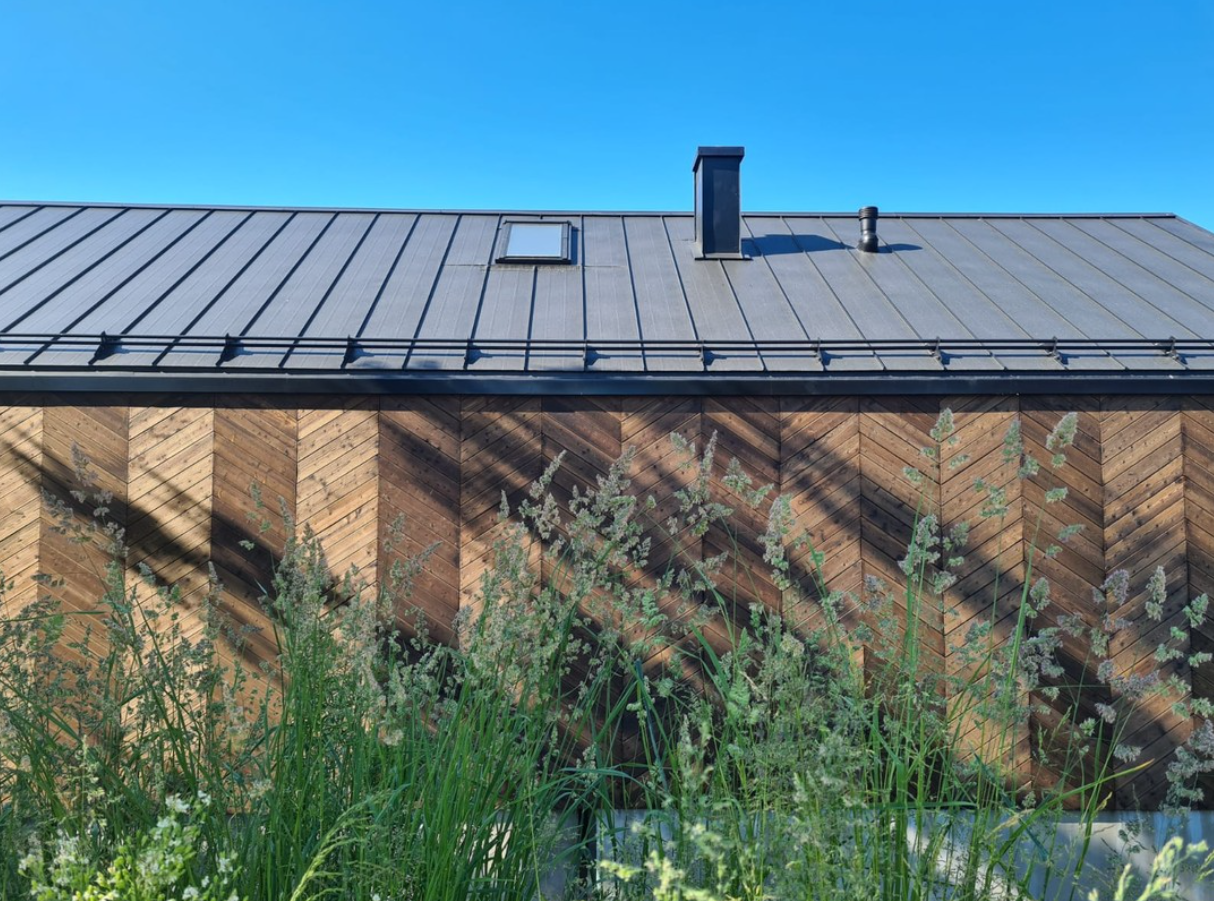
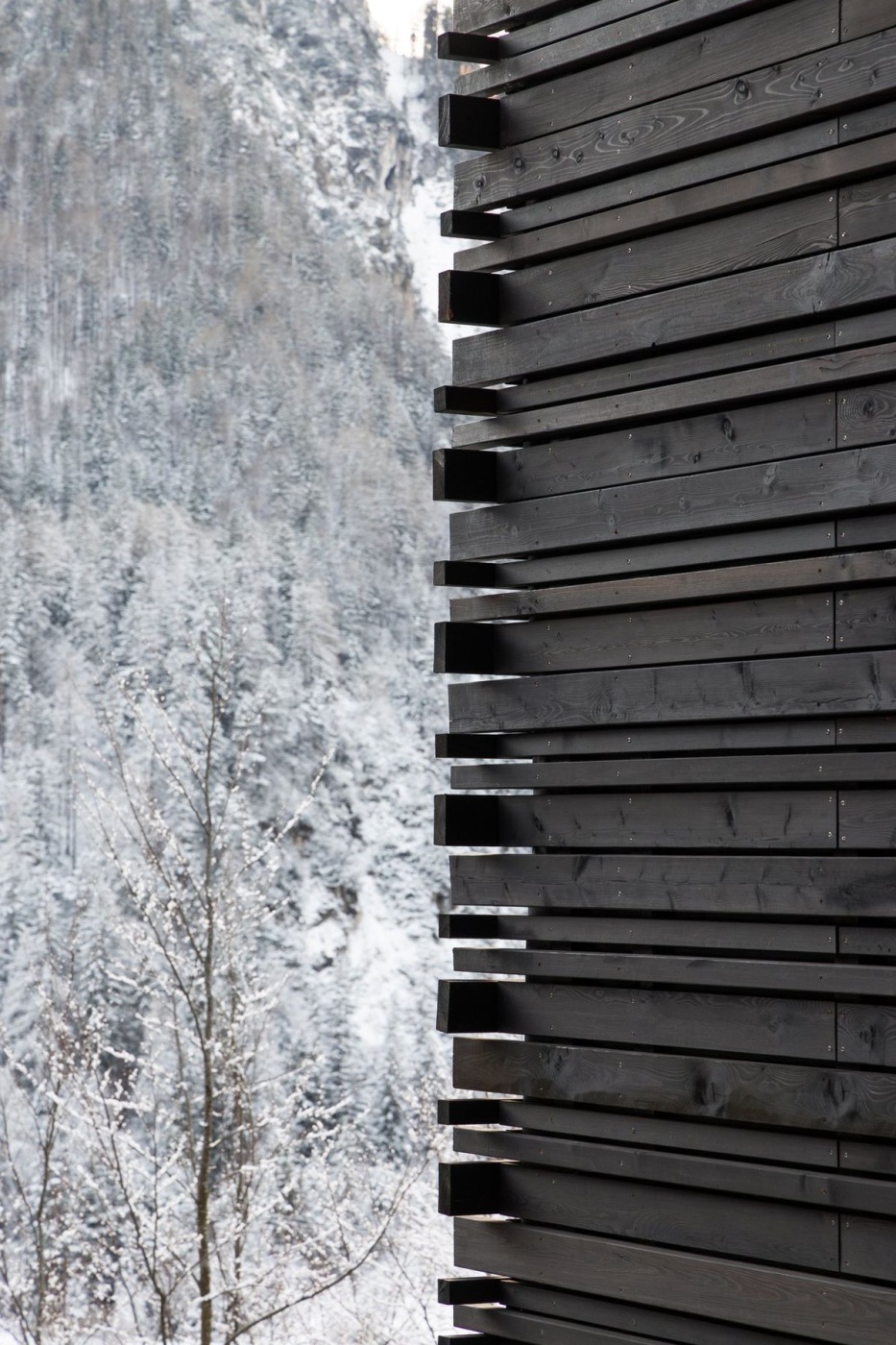
For bold, high-contrast designs, Shou Sugi Ban cladding offers a deep black or textured charred finish.
Charred timber works exceptionally well when paired with:
- Aluminium glazing systems
- Standing seam roofs
- Minimalist landscaping
It is frequently used in premium architectural extensions where visual impact is a priority.

4. Colour Strategies for Modern Extensions
Natural Timber Tones
ThermoWood provides a warm brown tone that can be left to weather or maintained with UV oil.
Silvered Weathered Finish
Untreated timber will silver over time. This can soften the visual impact of modern forms.
Dark Architectural Finishes
Black or charred finishes create bold contrast against white render or light brick.
Muted Contemporary Stains
Grey and muted brown tones are increasingly popular for planning-sensitive areas.
5. Junction Detailing for Modern Extensions
Contemporary design relies on clean detailing. Poor junctions undermine the entire aesthetic.
Corner Details
- Shadow gap corners for minimalist look
- Mitred battens for refined edges
- Stainless fixings concealed where possible
Window Reveals
- Flush frame alignment
- Head flashing integrated discreetly
- Vertical boards aligned to glazing rhythm
Base Details
- Minimum 150mm clearance above finished ground
- Gravel strip for splash protection
- Ventilated starter rail
6. Planning Considerations for Timber Cladding Extensions (UK)
Most rear extensions fall under permitted development, but cladding material changes can affect approval in:
- Conservation areas
- Listed buildings
- Areas of Outstanding Natural Beauty
Timber is often acceptable due to its natural character, but charred finishes may require discussion.
For design context, see: best timber cladding for modern UK homes

7. Maintenance & Longevity
Modern extensions are often low-maintenance by design. Timber cladding can align with this if correctly specified.
- ThermoWood requires minimal structural maintenance
- Charred timber requires little surface treatment
- Oiled systems require periodic reapplication
Proper ventilation and correct detailing significantly extend lifespan.
8. Cost vs Architectural Impact
Compared to brick or composite alternatives, timber offers:
- Faster installation
- Reduced structural loading
- High visual return per m²
Premium finishes such as charred timber increase cost but elevate architectural presence significantly.
Choosing the Right Cladding for Your Modern Extension
Successful modern extensions combine:
- Clean linear profiles
- Controlled colour palette
- Accurate junction detailing
- Compliant ventilated cavity construction
If you are designing or specifying a modern extension and require advice on profile selection, finish options or detailing coordination, contact us for specification guidance and project support.
Conclusion
Timber cladding remains one of the most versatile and architecturally powerful materials for modern UK extensions. Whether using warm ThermoWood tones or bold charred finishes, the success of the project lies in careful profile selection, restrained colour strategy and properly detailed junctions. When designed and installed correctly, timber extensions age gracefully and enhance both property value and architectural identity.
FAQs: Timber Cladding for Modern Extensions (UK)
Is timber cladding good for modern house extensions?
Yes. Timber cladding is widely used on modern UK extensions because it provides clean lines, architectural warmth and strong contrast against brick or render. When installed as a ventilated rainscreen system with proper detailing, it performs reliably in UK weather conditions and works particularly well on rear kitchen extensions, garden rooms and side-return projects.
What is the best timber cladding for a modern extension in the UK?
For contemporary extensions, ThermoWood is one of the most popular choices due to its dimensional stability and warm tone. For bold architectural contrast, charred timber (Shou Sugi Ban) is often specified. The best option depends on desired colour, maintenance expectations and exposure conditions.
Does timber cladding require planning permission for an extension?
In many cases, rear extensions fall under permitted development and timber cladding can be acceptable. However, planning permission may be required in conservation areas, listed buildings or Areas of Outstanding Natural Beauty. Always check with your local planning authority before changing external materials.
Can I use vertical timber cladding on a modern extension?
Yes. Vertical cladding is increasingly popular on contemporary extensions. It creates a sharper, more architectural appearance and can improve water runoff performance. Batten spacing and fixing density should be designed correctly for wind exposure.
How long does timber cladding last on an extension?
With correct installation and ventilation, quality timber cladding can last 25–40 years or more. Thermally modified timber typically offers improved durability compared to untreated softwood. Lifespan depends on detailing, exposure and maintenance.
Does timber cladding go grey over time?
Yes, untreated timber will naturally silver as it weathers. This change is cosmetic and does not necessarily indicate deterioration. UV oils or stains can be used to maintain the original colour if desired.
Is timber cladding high maintenance?
Maintenance depends on the chosen finish. ThermoWood generally requires minimal structural maintenance, oiled finishes typically need periodic reapplication, and charred timber often requires little ongoing treatment. Correct detailing and ventilation significantly reduce maintenance needs.
What profiles are most modern for timber extensions?
Shadow gap cladding, flush square-edge boards and vertical batten systems are most associated with contemporary design. Clean, uninterrupted lines are key to achieving a modern aesthetic.
Can timber cladding be installed next to large aluminium glazing systems?
Yes. Timber cladding pairs well with aluminium sliding doors and slim-frame glazing. Junction detailing should include proper flashing, expansion allowance and membrane continuity to reduce the risk of water ingress.
Is timber cladding cheaper than brick for an extension?
Timber cladding can be cost-effective due to installation speed and reduced structural loading, but premium finishes such as charred timber may increase material cost. Overall cost depends on profile, species and project complexity.
Does timber cladding improve property value?
Well-designed modern extensions using high-quality timber cladding can enhance kerb appeal and perceived architectural quality, which may positively influence resale value.
What colour timber cladding looks best on a modern extension?
Popular contemporary choices include warm ThermoWood tones, silvered weathered timber, deep black charred finishes and muted grey stains. The best colour depends on contrast with existing brickwork and glazing.