Final Decision Guide
Choosing between charred timber and painted timber cladding ultimately depends on three factors:
- Architectural style and aesthetic goals.
- Maintenance expectations.
- Environmental exposure conditions.
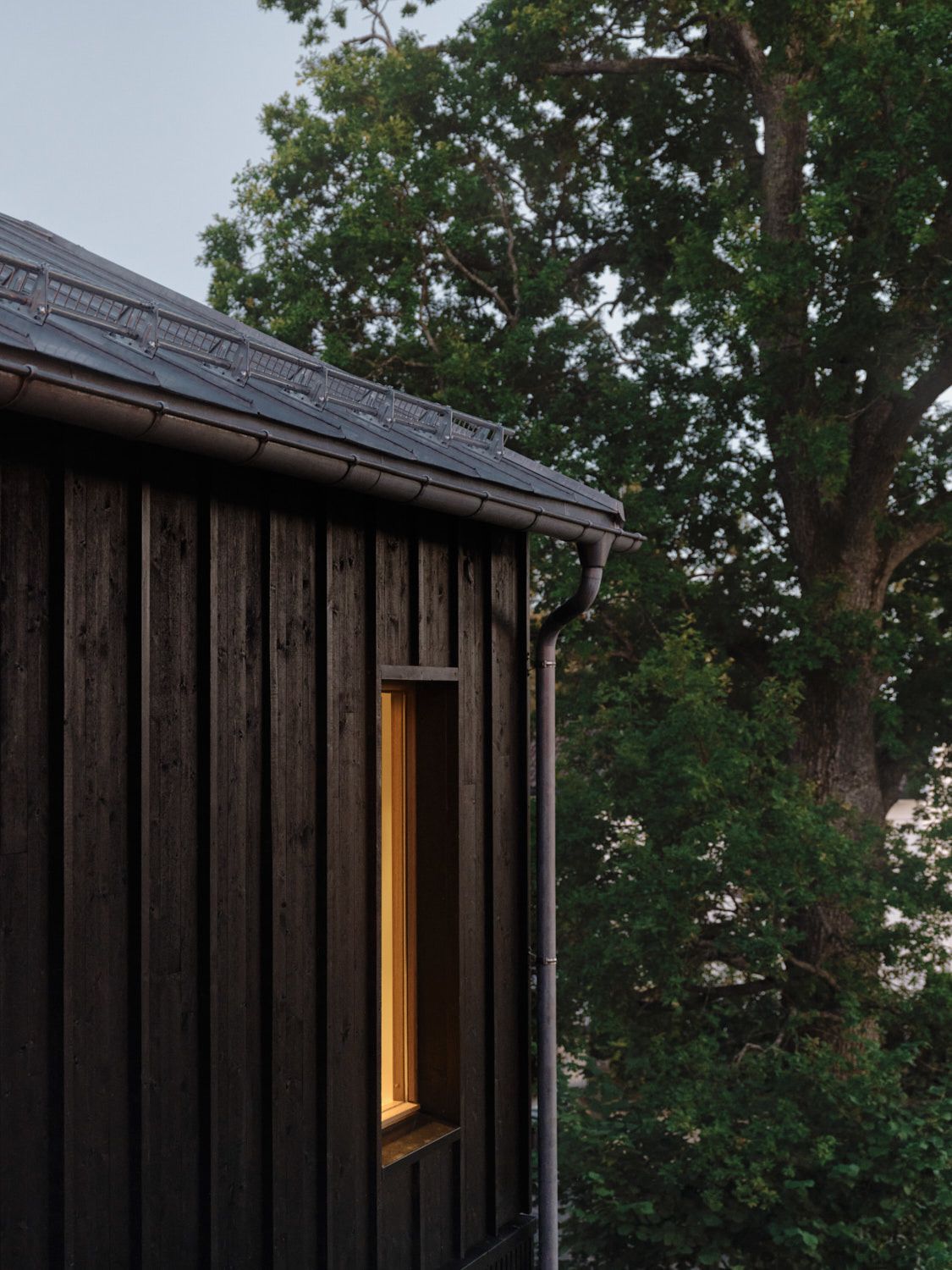
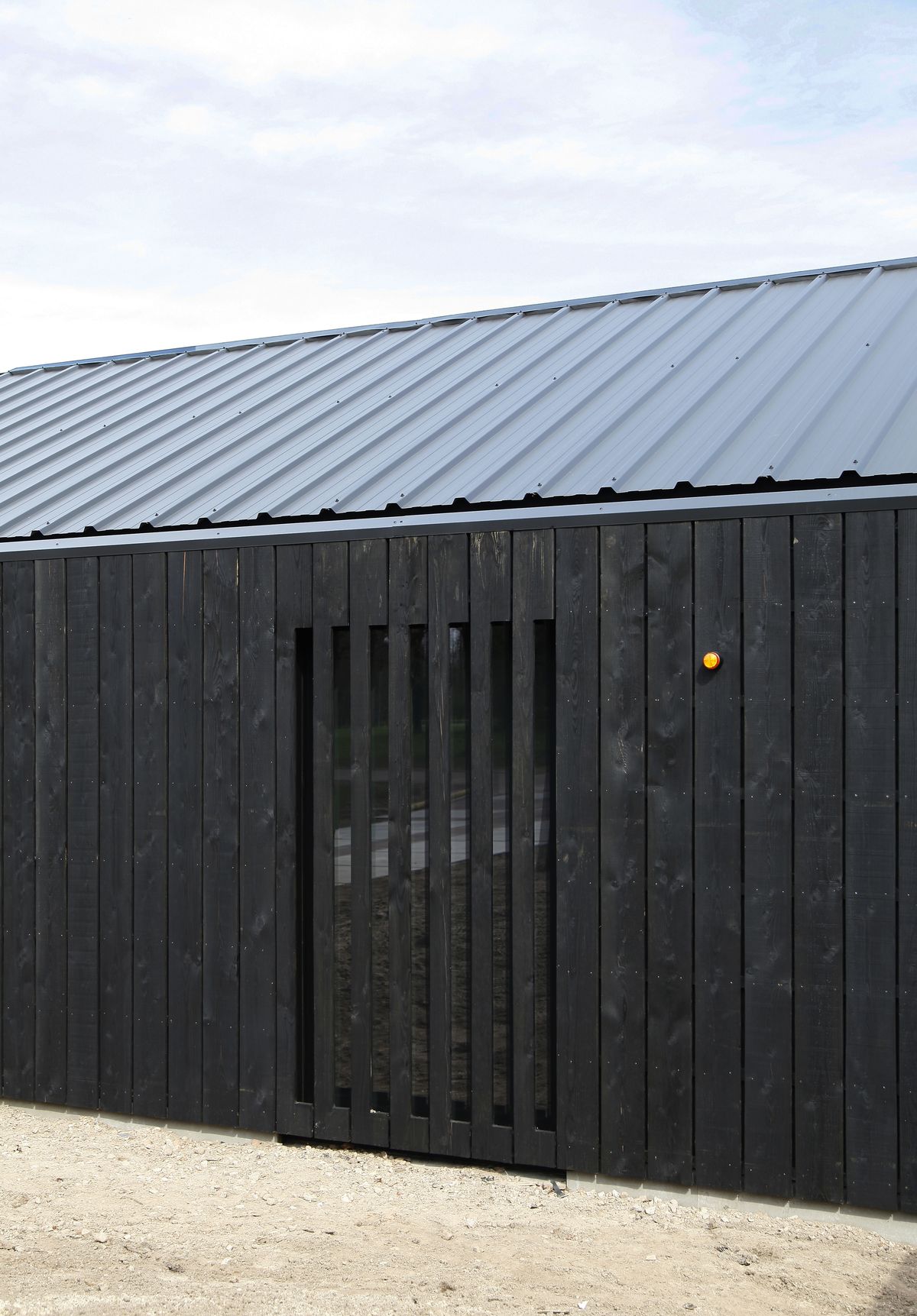
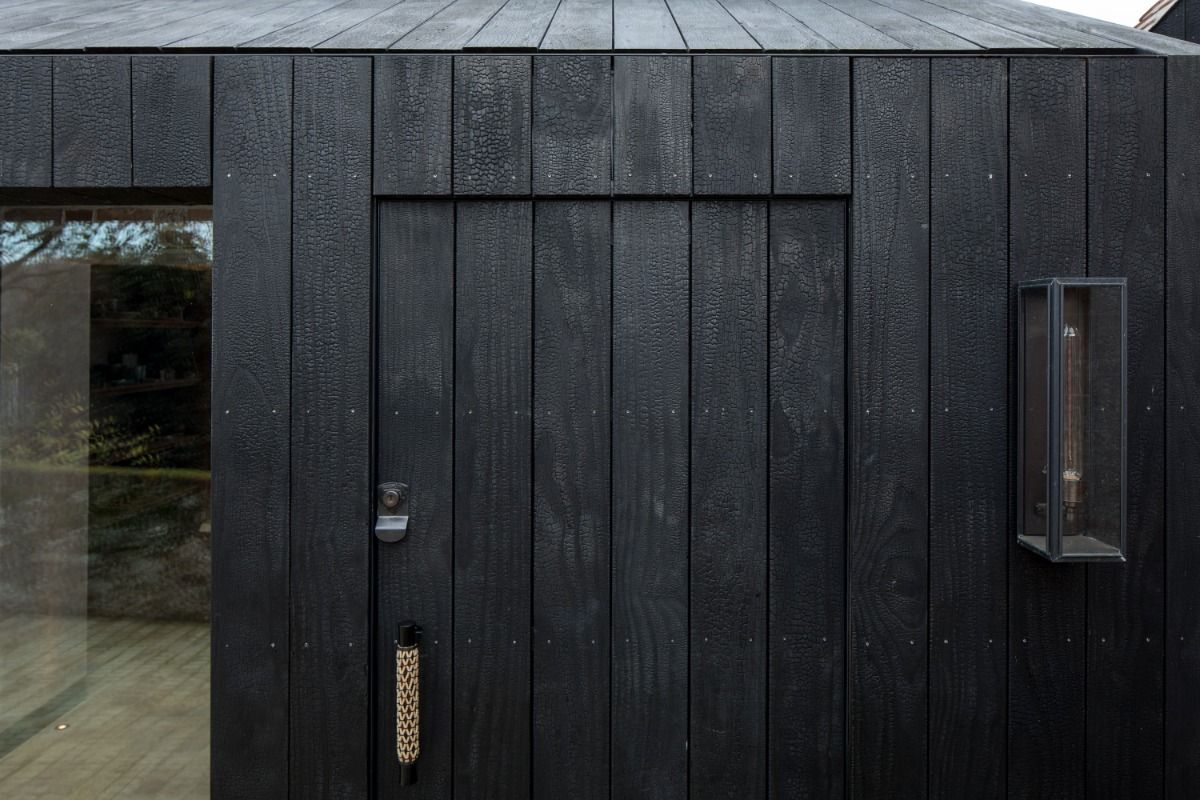
Painted timber provides colour flexibility and traditional appearance. Charred timber offers natural durability and distinctive architectural character.
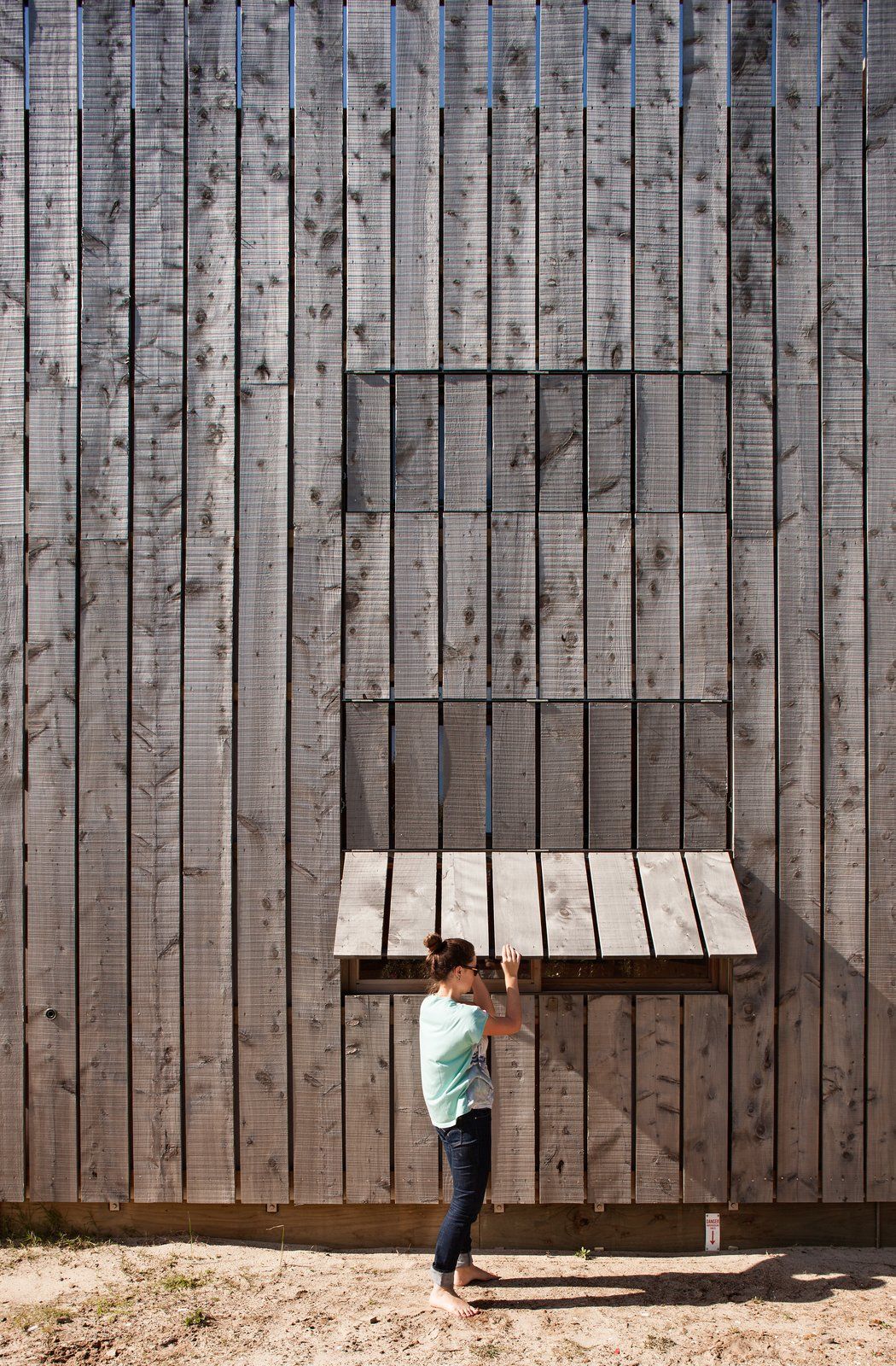
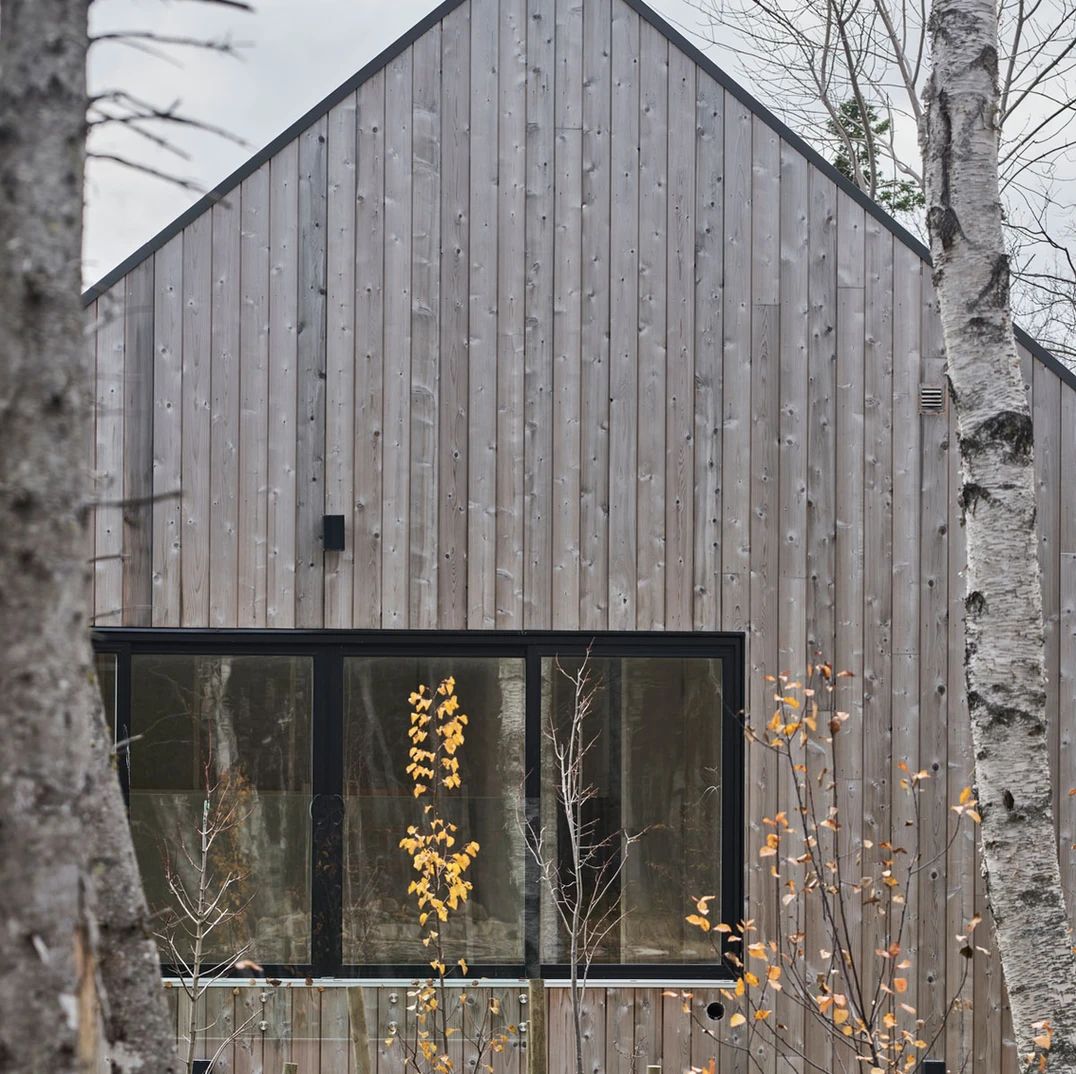
For many contemporary UK homes, finishes that weather naturally with minimal intervention often deliver stronger long-term value.
Conclusion
Charred timber and painted timber cladding each provide distinct advantages depending on project requirements. Painted timber offers colour versatility and traditional aesthetic options, while charred timber provides natural surface protection and distinctive architectural character.
Maintenance expectations and long-term cost considerations should guide the final choice. For many modern UK homes, finishes that weather naturally with minimal intervention can offer stronger long-term value.
Understanding how each system behaves over time allows architects, designers and homeowners to choose the most appropriate cladding finish for their building.
Frequently Asked Questions: Charred vs Painted Timber Cladding
Is charred timber cladding better than painted timber?
Charred timber and painted timber cladding perform differently depending on the project requirements. Charred timber creates a carbonised protective layer that resists UV exposure and weathering, often reducing maintenance needs. Painted timber offers wider colour flexibility but relies on a coating film that can crack or peel over time. In exposed UK environments, charred timber often delivers more predictable ageing and fewer maintenance cycles compared with painted surfaces.
How long does charred timber cladding last?
Properly produced charred timber cladding can last 30–50 years when installed correctly with ventilated cavity systems and appropriate fixings. The carbonised surface slows UV degradation and moisture penetration, allowing the timber to weather naturally. Lifespan ultimately depends on the base timber species, exposure conditions and installation quality.
Does charred timber cladding require maintenance?
Charred timber requires significantly less maintenance than painted cladding but is not completely maintenance free. Brushed or sealed charred finishes may benefit from occasional oiling or surface cleaning depending on exposure. Deep char systems often weather naturally with minimal intervention.
How often does painted timber cladding need repainting?
Painted timber cladding usually requires repainting every 4–7 years in typical UK conditions. South-facing or coastal elevations may need maintenance sooner due to stronger UV exposure and weathering. The durability of the coating system and the stability of the underlying timber also influence repainting frequency.
Is charred timber cladding waterproof?
Charred timber is not completely waterproof but the carbonised surface slows water absorption and improves resistance to moisture penetration. When installed as part of a ventilated rainscreen system, charred timber provides durable protection against wind-driven rain and environmental exposure.
What is Shou Sugi Ban timber cladding?
Shou Sugi Ban (also called Yakisugi) is a traditional Japanese method of preserving timber by charring its surface. The burning process creates a carbon layer that protects the wood from weathering and insects. Today it is widely used in contemporary architecture for its distinctive black appearance and durability.
Which timber cladding requires the least maintenance?
Thermally modified timber and charred timber cladding are generally considered among the lowest-maintenance timber façade options. Thermally modified products such as ThermoWood reduce moisture movement, while charred timber uses a carbonised surface rather than a fragile coating film.
Does painted timber cladding peel over time?
Painted timber cladding can peel if the coating film becomes brittle or if moisture penetrates beneath the paint layer. Timber movement due to moisture changes can also cause cracking in the coating. Regular maintenance and proper surface preparation help reduce the risk of paint failure.
Is charred timber more expensive than painted cladding?
Charred timber cladding often has a higher initial installation cost compared with painted softwood cladding. However, because charred systems may require fewer maintenance cycles over time, lifecycle costs can be comparable or even lower over a 20–30 year period.
Can you paint charred timber cladding?
Charred timber can technically be painted, but it is rarely recommended because the textured carbon layer is usually intended to remain visible. Painting charred timber also removes many of the aesthetic advantages that make the finish popular in contemporary architecture.
What is the lifespan of painted timber cladding?
The lifespan of painted timber cladding depends heavily on maintenance. With regular repainting and proper detailing, painted timber façades can last 25–40 years. Without maintenance, paint breakdown can lead to moisture ingress and accelerated deterioration of the timber beneath.
Which is better for modern houses: charred or painted timber?
For modern architectural designs, charred timber is often preferred due to its bold appearance and natural ageing characteristics. Painted timber remains popular for traditional or heritage-style buildings where specific colours are required. The final choice usually depends on the design intent and maintenance expectations of the project.