

Timber cladding remains one of the most visually appealing façade materials used across the UK, but it is also one of the most misunderstood. The issue is not that timber performs poorly, but that its behaviour is often judged using assumptions borrowed from masonry or composite systems. Timber moves, breathes, absorbs moisture, releases it, and responds continuously to its environment.
In the UK, that environment is rarely forgiving. Prolonged rainfall, high ambient humidity, slow drying periods, pollution, and limited seasonal UV all place constant pressure on external timber. As a result, timber cladding lifespan is determined less by initial appearance and more by how predictably the system behaves over time.
UK context: Timber cladding longevity depends on moisture stability, ventilation, finish strategy, and realistic expectations of weathering rather than timber thickness alone.

Maintenance problems rarely appear suddenly. They accumulate. A coating begins to thin on exposed elevations. End grain darkens slightly. Fixings start to mark. None of these issues indicate failure, but together they increase maintenance frequency and erode confidence in the material. This is why so many timber façades are described as “high maintenance”, when in reality they were simply specified without a long-term strategy.
When clients ask for low maintenance solutions, they are rarely asking for maintenance-free timber. They are asking for predictability. They want to know how often intervention will be required, what form it will take, and whether the façade will age evenly rather than becoming visually inconsistent.
This is where system choice matters more than species alone. Guides that focus on low maintenance timber cladding consistently arrive at the same conclusion: reducing moisture movement within the timber dramatically reduces maintenance pressure. Less movement means coatings last longer, fixings remain stable, and the façade retains a coherent appearance over time.
Traditional untreated softwoods rely almost entirely on surface protection to resist the UK climate. While modern coatings are technically advanced, they still sit on a timber substrate that expands and contracts significantly as moisture content changes. Over time, this movement places stress on the coating film, leading to micro-cracking, peeling, or thinning in exposed areas.
Once the protective layer is compromised, moisture ingress accelerates. Maintenance becomes reactive rather than planned, and the façade starts to dictate intervention rather than responding predictably to it.
Thermally modified timber addresses this issue at a structural level. Through a controlled heat treatment process, the timber’s hygroscopic properties are altered, reducing its tendency to absorb and release moisture. This results in greater dimensional stability and a calmer response to seasonal change.
For UK projects prioritising durability, this is why ThermoWood has become widely associated with long-life cladding. The material’s stability allows designers and installers to create façades that weather evenly, shed water effectively, and maintain consistent board alignment over long periods.
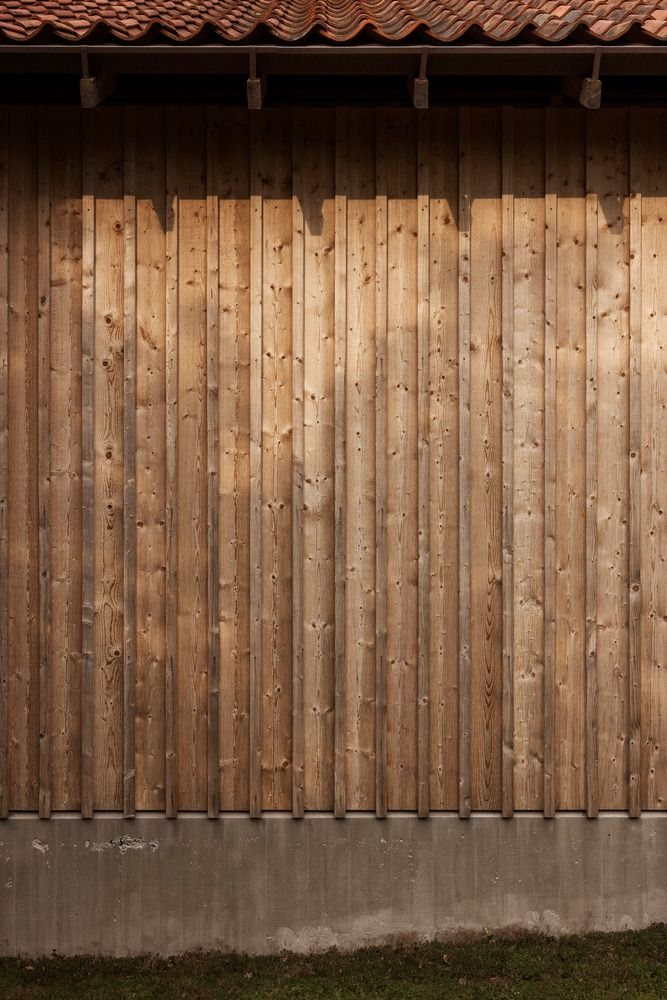
From a practical maintenance perspective, specifying low maintenance ThermoWood shifts the role of upkeep. Instead of constant repair and correction, maintenance becomes periodic inspection and optional aesthetic refresh. Many installations are allowed to weather naturally, developing a uniform silver patina that requires minimal intervention beyond basic inspection.
Where colour retention is required, maintenance intervals are still significantly extended compared to untreated softwoods. The reduced movement of the timber means finishes remain intact for longer, and re-coating cycles can be planned in advance rather than triggered by failure.
It is also important to understand lifespan as a functional concept rather than a single number. Asking whether cladding will last 20, 30, or 40 years misses the more relevant question: how long will it perform acceptably without becoming visually or practically problematic?
This is the core idea behind long-life cladding systems. Rather than attempting to prevent change entirely, these systems aim to control it. Predictable ageing, stable profiles, and even weathering create façades that remain architecturally coherent long after installation.

Surface protection plays a decisive role in this process. Site-applied coatings can perform well, but they are highly dependent on weather conditions, application consistency, and substrate behaviour. In contrast, factory-applied systems benefit from controlled environments, consistent film thickness, and optimal curing conditions.
Professional protective finishes extend colour stability, improve moisture resistance, and reduce early-stage maintenance demands. Just as importantly, they allow future maintenance to be planned and predictable, rather than reactive and disruptive.
None of this removes the need for correct detailing. Ventilated cavities, correct fixing specification, allowance for movement, and careful end-grain management remain fundamental. Even the most stable timber will underperform if moisture is trapped or airflow is restricted.
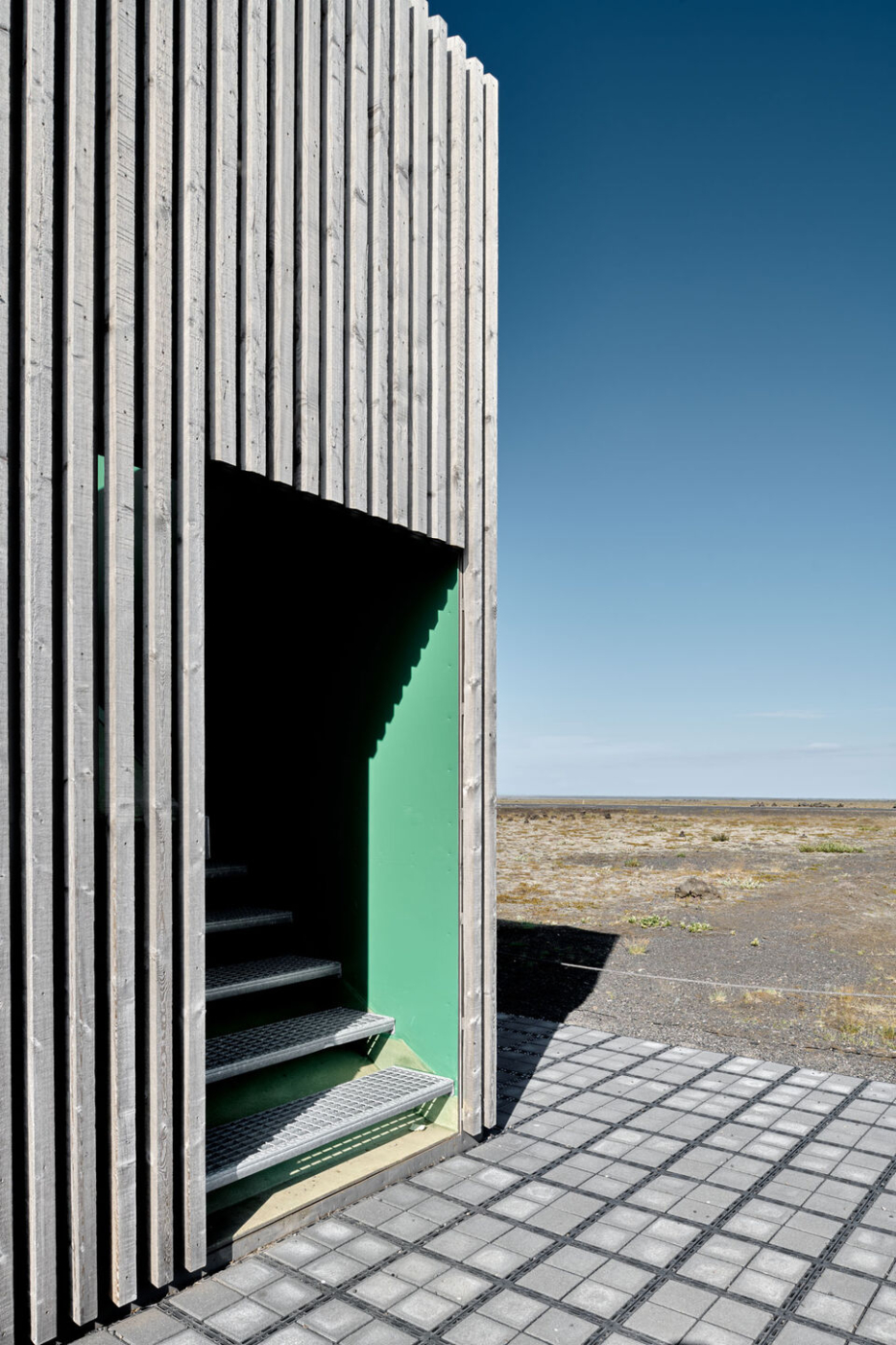
In the UK, successful timber cladding projects are those where material choice, detailing, and finish strategy are aligned from the outset. When this alignment exists, timber cladding delivers not only visual warmth and architectural character, but also longevity and manageable maintenance across decades of exposure.
Ultimately, timber cladding does not fail because it changes. It fails when change becomes unpredictable. Designing for stability and controlled ageing is what turns timber from a perceived risk into a long-term façade solution.