
- Siberian larch shiplap is the best all-round choice for shed and garden building cladding — natural durability, distinctive grain, 20–35 year lifespan with minimal maintenance.
- Nordic spruce shiplap is the most affordable option at £20–£35 per m² — suitable for budget builds but requires treatment every 2–3 years.
- ThermoWood shiplap is the best low-maintenance choice — no treatment required, 25–40 year lifespan, available in 19x117mm and 19x140mm.
- Shiplap can be installed horizontally or vertically — both work well on sheds and garden buildings with different visual results.
- All our shiplap cladding is FSC and PEFC certified — available from UK stock with nationwide delivery in 7–14 days.
Shiplap cladding is one of the most widely used exterior finishes for sheds, garden buildings, and outbuildings in the UK — and for good reason. The overlapping profile sheds water effectively, installs quickly, and is available in a range of species from affordable Nordic spruce to naturally durable Siberian larch and low-maintenance ThermoWood. Whether you are re-cladding an existing shed or finishing a new garden room, this guide covers everything you need to know to choose and buy the right shiplap cladding for your project.
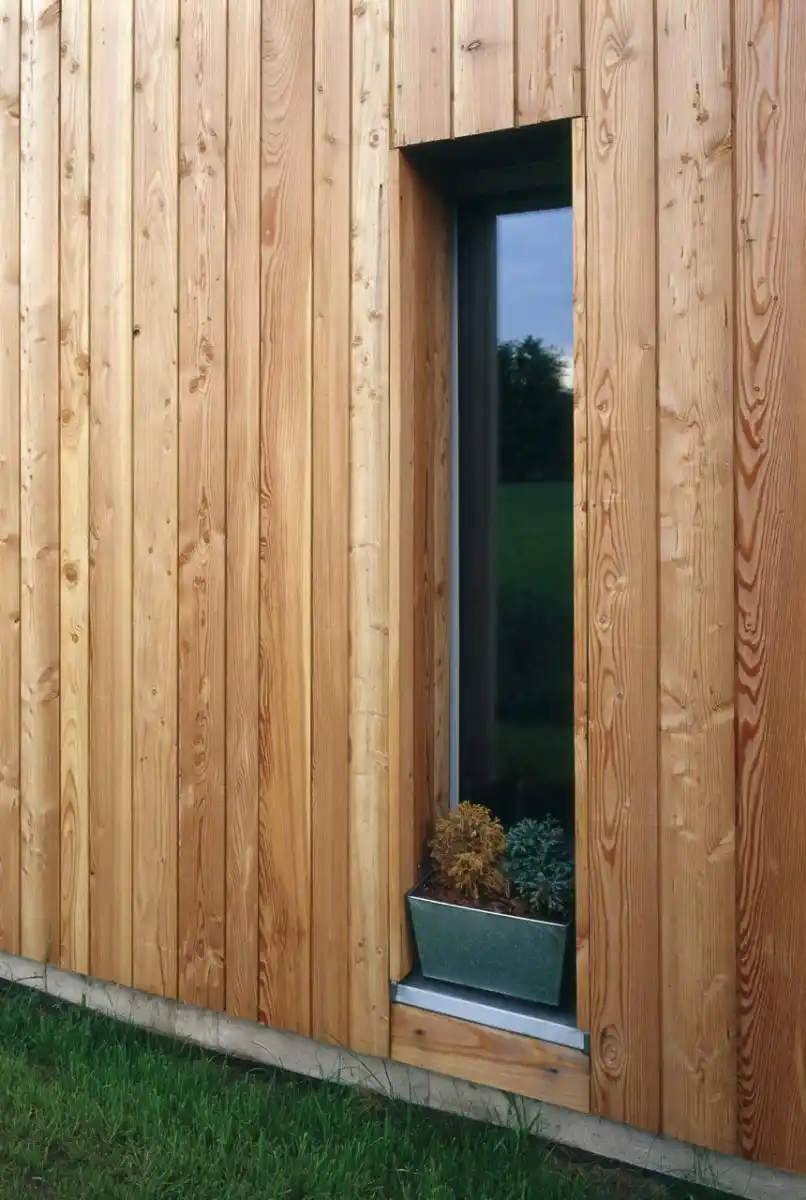
We supply shiplap cladding in Siberian larch, ThermoWood, and Nordic spruce from UK stock — all FSC and PEFC certified with nationwide delivery in 7–14 days. This guide will help you choose the right species, size, and finish for your shed or garden building.
What Is Shiplap Cladding?
Shiplap is a horizontal timber cladding profile where each board has a rebated or bevelled edge that overlaps the board below, creating a weathertight lapped joint and a characteristic shadow line across the facade. The overlap ensures water drains away from the joint rather than penetrating behind the boards — making it one of the most weather-resistant closed-board profiles available. Originally used on ships' hulls (hence the name), shiplap has been used for exterior building cladding in the UK for centuries and remains one of the most popular profiles for sheds, garden buildings, and rural outbuildings.
Modern shiplap cladding for sheds and garden buildings differs from traditional rough-sawn shiplap in that it is planed smooth on the exposed face, giving a cleaner, more consistent appearance. The profile is available in several species at different price points and durability levels — from budget treated softwood to naturally durable Siberian larch and thermally modified ThermoWood.
The key advantage of shiplap over profiles like feather edge is the precision of the joint — the rebated overlap creates a consistent, tight fit between each board that drains reliably and looks cleaner than a simple lapped edge. It is also one of the most straightforward profiles to install, making it popular for DIY shed cladding projects as well as professional installations.
Shiplap Profiles and Sizes — What's Available
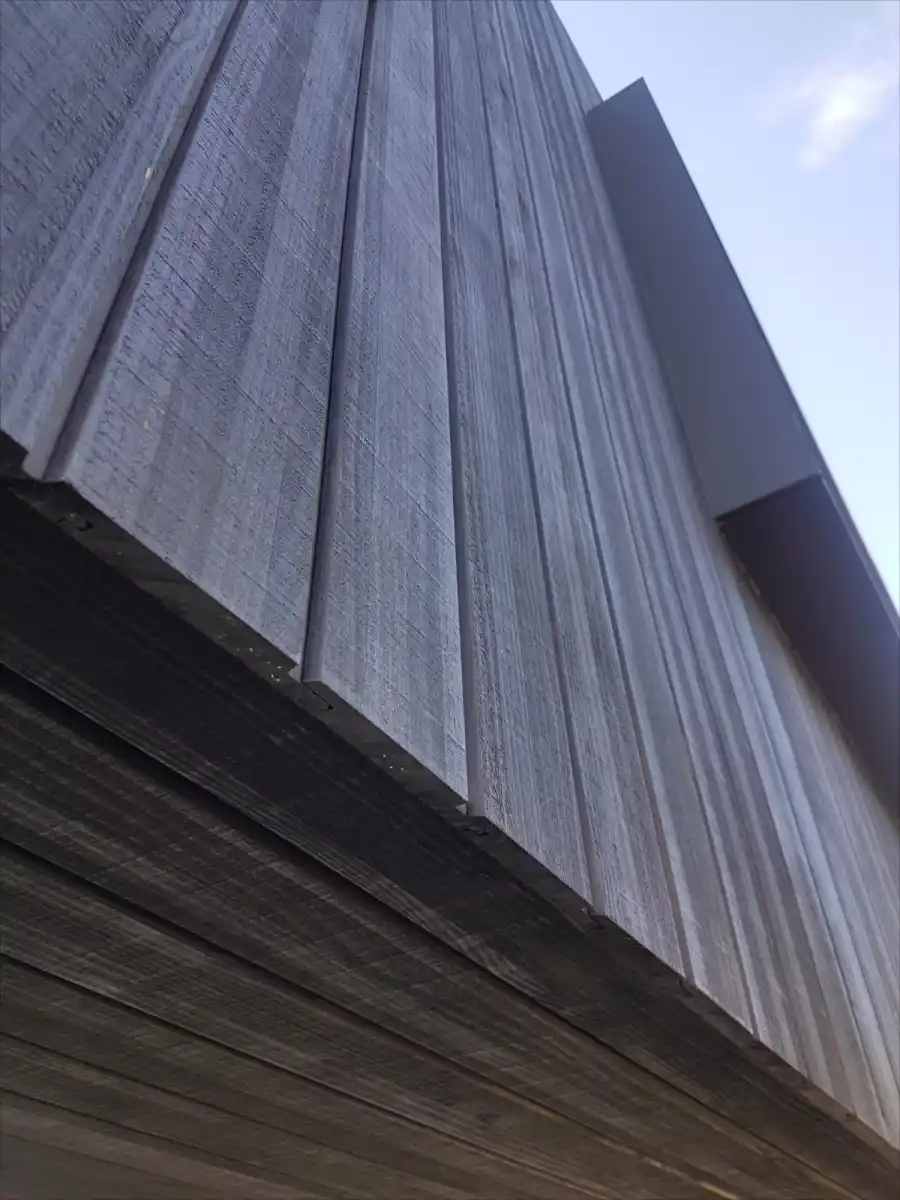
Shiplap cladding boards — the rebated edge on each board overlaps the one below, creating a weathertight joint and a consistent shadow line across the facade.
Shiplap cladding is available in several sizes to suit different building scales and design preferences. The most common sizes for UK shed and garden building cladding are:
| Size | Face Width | Best For | Available Species |
|---|---|---|---|
| 19x117mm | ~100mm face | ThermoWood shiplap — traditional shed sizing | ThermoWood |
| 19x120mm | ~105mm face | Traditional shed cladding — fine horizontal rhythm | Nordic spruce |
| 19x140mm | ~125mm face | Garden rooms and larger buildings — bolder look | ThermoWood, Nordic spruce |
| 20x146mm | ~130mm face | Siberian larch — residential and garden buildings | Siberian larch |
| 19x146mm | ~130mm face | Nordic spruce — sheds and outbuildings | Nordic spruce |
The wider the board, the fewer horizontal joints visible across the facade and the bolder the overall appearance. For a traditional shed aesthetic, narrower boards (19x120mm) are more common. For a contemporary garden room or garden office look, wider boards (19x140mm or 20x146mm) give a cleaner, more architectural result.
Which Species Is Best for Your Shed?
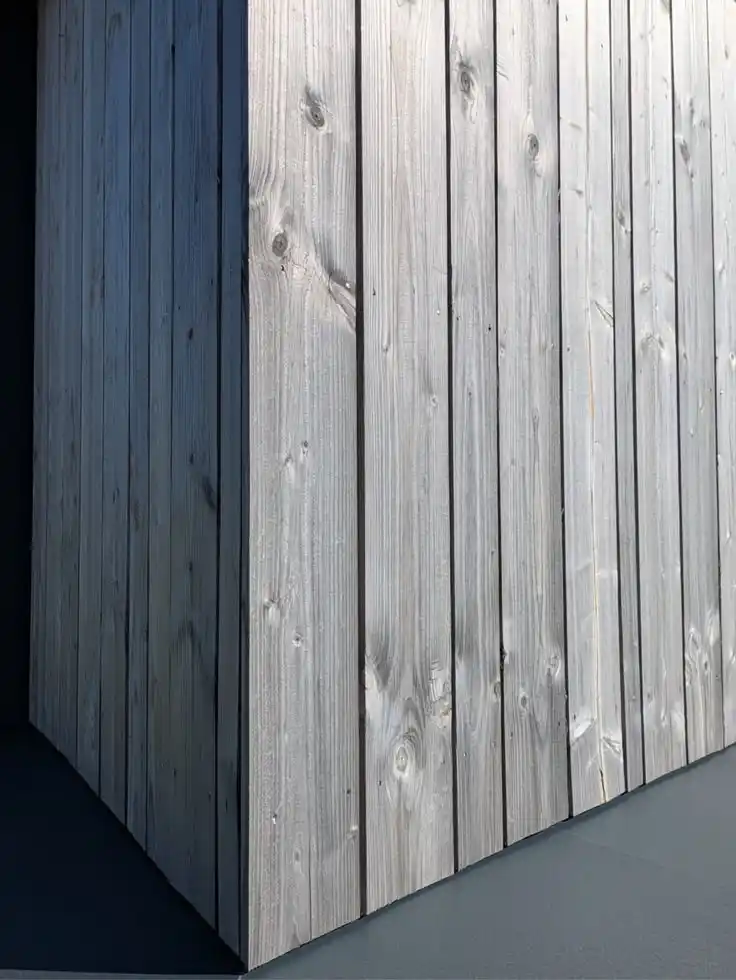
ThermoWood shiplap on a UK garden building — no treatment required, 25–40 year lifespan, and a warm honey-brown colour that weathers naturally to silver-grey.
Vertical Shiplap — A Contemporary Alternative
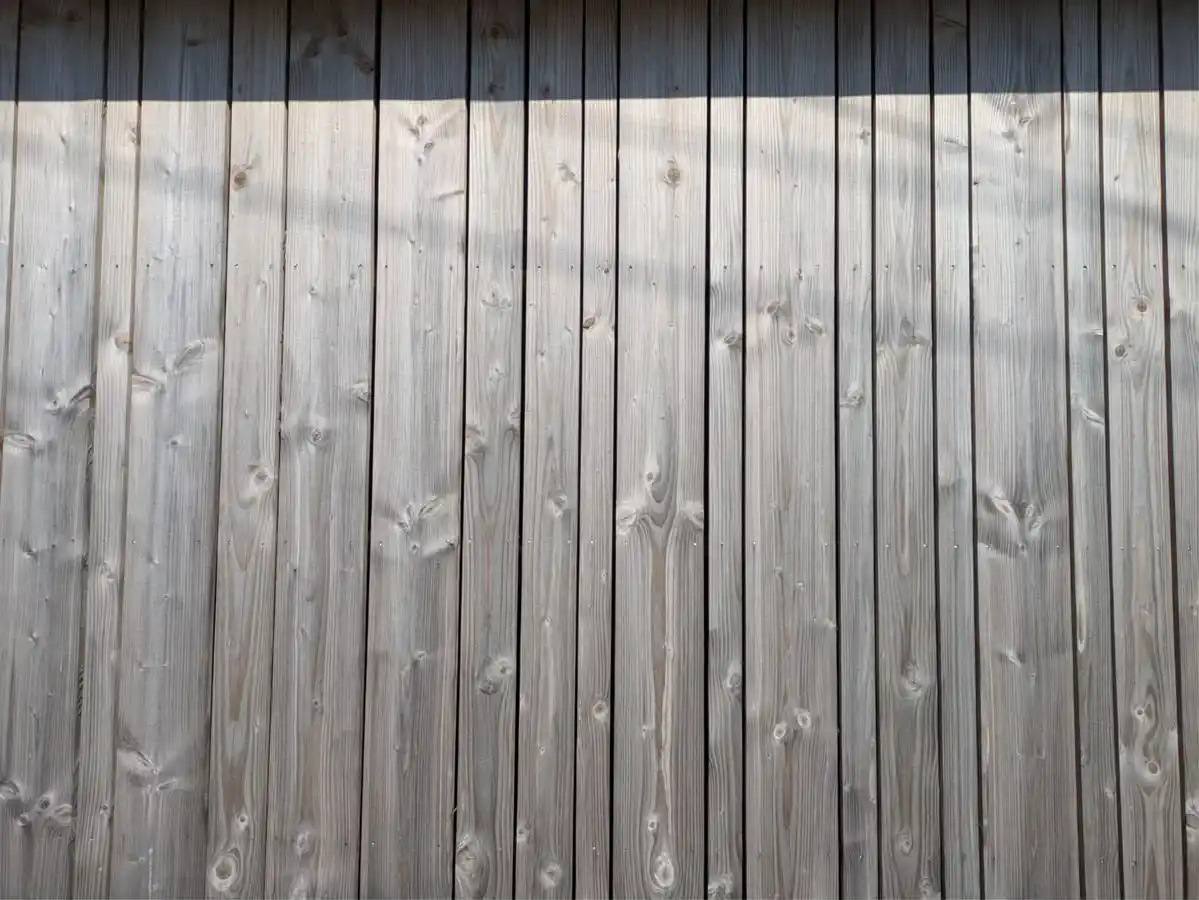
Vertical shiplap installation on a UK garden building — running the boards vertically creates a stronger, more contemporary visual emphasis and drains exceptionally well.
Shiplap cladding is traditionally installed horizontally — but vertical installation is increasingly popular on contemporary garden rooms, garden offices, and modern agricultural buildings. Running the boards vertically creates a stronger, more upright visual emphasis that can make a building feel taller and more substantial, particularly effective on smaller structures.
Vertical shiplap installation has excellent drainage performance — the rebated joint now runs the full height of the building, directing water straight down and away from the structure. It also tends to accumulate less dirt and algae than horizontal installation as there are no horizontal ledges for debris to collect on.
The only practical consideration with vertical shiplap is the batten framework — horizontal battens are needed to fix the boards to, with appropriate ventilated cavity behind. This is straightforward and does not add significant cost or complexity to the installation.
How Shiplap Cladding Weathers in the UK
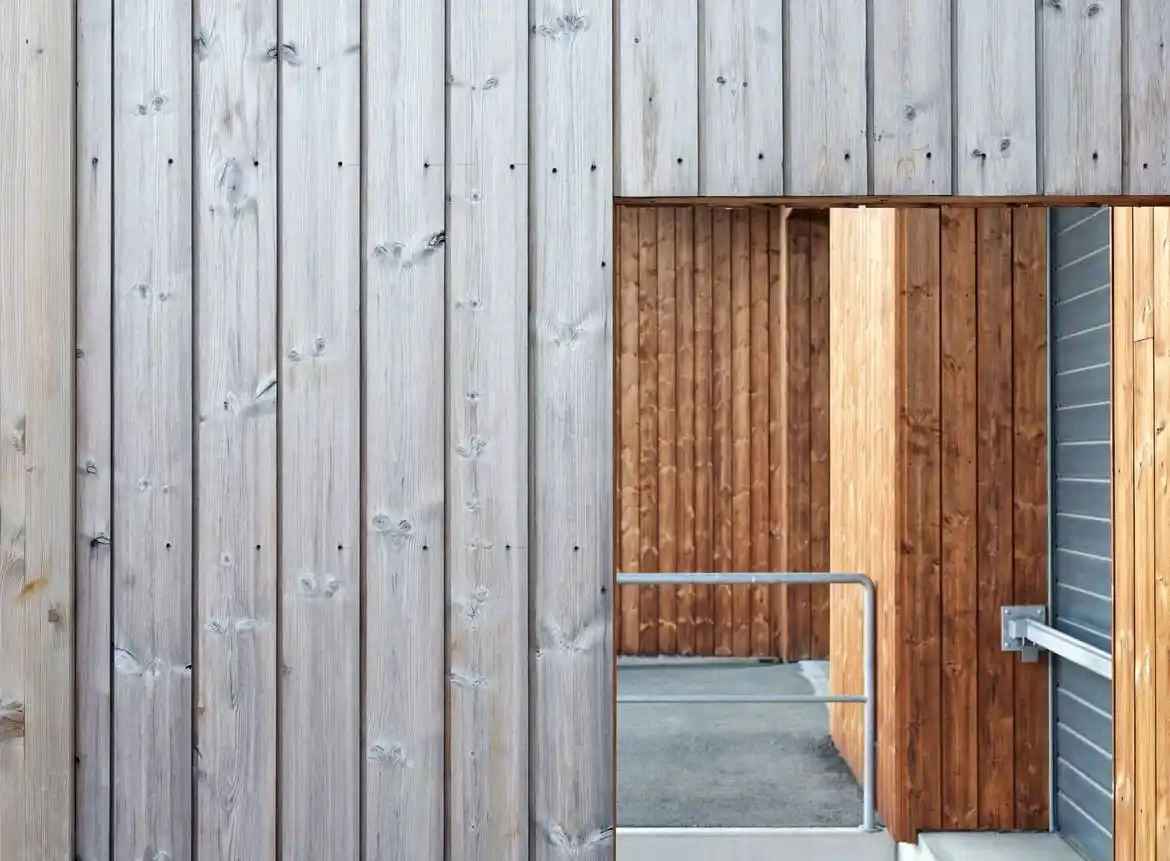
Weathered shiplap cladding on a UK garden building — Siberian larch and ThermoWood both develop a consistent silver-grey patina when left untreated, requiring no ongoing maintenance.
All timber shiplap will weather when exposed to the UK's UV, rain, and temperature cycles. How it weathers depends entirely on the species:
Nordic spruce — needs treatment
Untreated Nordic spruce shiplap will begin to show surface mould, greying, and board movement within 2–3 years without preservative treatment. It must be treated with a quality exterior oil or wood stain before installation and re-treated every 2–3 years. Used for sheds in sheltered positions where regular maintenance is feasible, spruce shiplap performs adequately. In damp or shaded positions, without consistent treatment, it will degrade significantly faster.
Siberian larch — leave or oil
Siberian larch shiplap weathers naturally to an attractive silver-grey when left untreated — a genuinely low-maintenance finish that requires no ongoing treatment. If you prefer to maintain the warm golden-brown colour, apply a UV-stable exterior oil every 3–5 years. Either approach is valid — many garden building owners actively choose the silver-grey weathered look for its low-maintenance appeal and natural character. For maintenance guidance see our timber cladding maintenance guide.
ThermoWood — no treatment needed
ThermoWood shiplap requires no preservative treatment at any point. It weathers in the same way as larch — gradually to silver-grey — but its thermally modified cell structure provides greater moisture resistance, less movement, and better long-term dimensional stability than untreated larch in sustained damp conditions.
Installing Shiplap Cladding on a Shed — Key Requirements
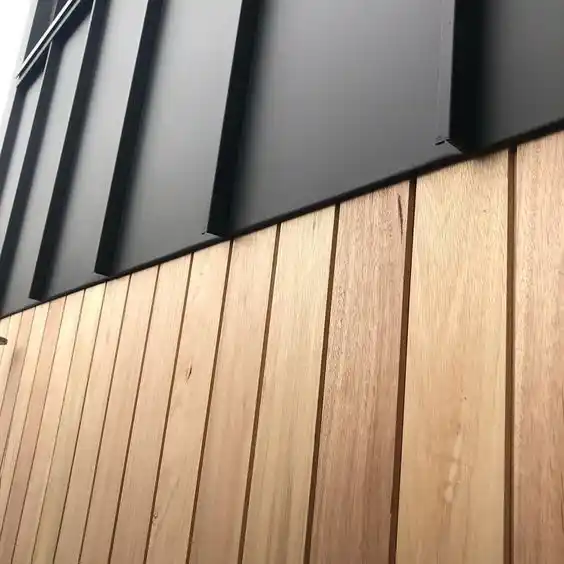
Shiplap cladding close-up — the precision rebated overlap creates a consistent, weathertight joint that drains reliably in both horizontal and vertical installation.
Shiplap is one of the most straightforward cladding profiles to install — but getting the details right makes a significant difference to long-term performance:
- Ventilated cavity — always install over a batten framework creating a minimum 25mm cavity behind the boards. This allows moisture to drain and air to circulate behind the cladding, preventing the damp build-up that causes premature decay on any species.
- Ground clearance — the bottom of the cladding must be at least 150mm above finished ground level. Ground splash-back is the most common cause of premature failure at the base of shed cladding.
- Start from the bottom — always fix shiplap boards from the bottom up, with each board overlapping the one below. Use a starter batten at the base to set the correct angle for the first board.
- Stainless steel fixings — always use A4 stainless steel nails or screws. Standard steel fixings rust within 2–5 years and create unsightly staining on the cladding face — particularly visible on the pale tones of spruce or larch.
- End grain sealing — seal all cut end grain with exterior oil before installation. End grain absorbs moisture many times faster than face grain and is the most common starting point for decay.
- Overlap — a minimum 25mm overlap between boards is standard for UK weather conditions. In exposed positions or coastal locations, a 30–35mm overlap provides additional weather protection.
For DIY shed cladding, shiplap is the most forgiving profile to work with — the overlapping joint is self-aligning and hides minor inconsistencies in fixing. Use a spacer batten to maintain consistent overlap between each board run, fix with two stainless steel nails or screws per board at each batten, and pre-drill within 50mm of any board end to prevent splitting. The whole job on a standard garden shed can be completed in a day by an experienced DIYer.
Cost of Shiplap Cladding for a Shed — 2026 Prices
| Species | Cost per m² | Typical shed (15m²) | Maintenance | Lifespan |
|---|---|---|---|---|
| Nordic spruce shiplap | £20–£35 | £300–£525 | Treat every 2–3 years | 10–20 years |
| Siberian larch shiplap | £35–£65 | £525–£975 | Oil every 3–5 years or leave | 20–35 years |
| ThermoWood shiplap | £45–£75 | £675–£1,125 | None required | 25–40 years |
Add £10–£15 per m² for battens and fixings. Labour for shiplap installation typically costs £20–£35 per m² — lower than shadow gap or rainscreen profiles as the overlapping joint is faster to install. For a full cost guide see our garden room cladding cost guide.
For a shed or garden building in the UK, Siberian larch shiplap is the best all-round choice — excellent natural durability, a distinctive grain, and a lifespan of 20–35 years with minimal maintenance. Nordic spruce shiplap is the most affordable option but requires treatment every 2–3 years. ThermoWood shiplap is the best low-maintenance choice — no treatment required and a 25–40 year service life.
The most common shiplap sizes for shed cladding in the UK are 19x120mm, 19x140mm, and 19x146mm. The 19x120mm is a traditional shed cladding size with a fine horizontal rhythm. The 19x146mm gives a wider board appearance popular on garden rooms and larger outbuildings. All sizes install identically — horizontally over a batten framework with the rebated edge overlapping the board below.
Calculate the total external wall area of your shed, deduct any door and window openings, and add 15% for cuts and wastage. A typical 2.4x1.8m garden shed needs approximately 12–15m² of shiplap. A larger 3x2m shed needs approximately 18–22m². Contact our team with your exact dimensions for a precise quantity calculation.
It depends on the species. Nordic spruce shiplap must be treated with a preservative oil or stain every 2–3 years. Siberian larch shiplap can be left untreated to weather naturally to silver-grey, or oiled every 3–5 years. ThermoWood shiplap requires no preservative treatment at any point — the best choice where low maintenance is the priority.
Yes — shiplap cladding can be installed vertically as well as horizontally. Vertical installation is increasingly popular on contemporary garden buildings and garden offices. When installed vertically the rebated joint runs the full height of the building, drains exceptionally well, and creates a stronger vertical visual emphasis. A horizontal batten framework is required for vertical installation.
Shiplap Cladding for Sheds & Garden Buildings — UK Stock
We supply shiplap cladding in Siberian larch, ThermoWood, and Nordic spruce — all from UK stock with nationwide delivery in 7–14 days. FSC and PEFC certified. Send us your shed dimensions and we will calculate the exact quantity and cost for your project.